
Following nursing school tips can help you succeed in your BSN program. Start by using your school’s resources, such as your admissions advisor and your Academic Success Coach. Your education will also benefit from strong time management skills, utilizing nursing study tricks such as mnemonics, and self-care practices.

Knowing how to study for nursing school is just one of the essential nursing school tips for academic success. Of course, you’ll want to stay on top of your coursework, labs, and studying, but you wouldn’t be alone in your education. Your nursing instructors, clinical preceptors, and the peers in your nursing cohort will serve as an important resource for not only getting through nursing school but thriving while you’re there. With some tips on how to navigate nursing school, you’ll set yourself up for success as you begin your journey.
Your experience with nursing education will be shaped in large part by the school you choose. If you choose to apply to the University of St. Thomas’ Accelerated Bachelor of Science in Nursing (ABSN) program in Houston, you’ll receive the benefit of extensive student support resources, including a dedicated admissions advisor and an Academic Success Coach.
Take a proactive approach to your ABSN education and learn how to prepare for nursing school ahead of your enrollment date. This way, you will have these healthy routines established by your first day of nursing school.
How to Prepare for Nursing School Before You Start
At UST, our admissions advisors offer support as you navigate the admissions process. Once they determine that our ABSN admissions requirements are met, your advisor will help you apply for your target start date in January, May, or August. They’re also available to answer any questions you may have about our program.
The ABSN fits the curriculum of a traditional four-year nursing program into 12 months, so an essential nursing school tip is to make school your top priority. To stay on top of responsibilities, you may need to decline events or social activities you’d otherwise attend.
It’s not advisable to work a full-time job during the program. It’s not uncommon to dedicate 40 to 60 hours each week to studying, attending classes, and preparing for tests, so it’s best to treat the ABSN program like a full-time job.
Make sure that your loved ones are ready for the changes in your schedule and lifestyle. Discuss the assistance you may need from your family to help you succeed. For example, your partner might have to start picking up the kids from school and assist with cooking and cleaning.
Families may find it challenging to settle into a new routine. Remind yourself and your loved ones that the program is only 12 months long. When you have free time, spend it with them.
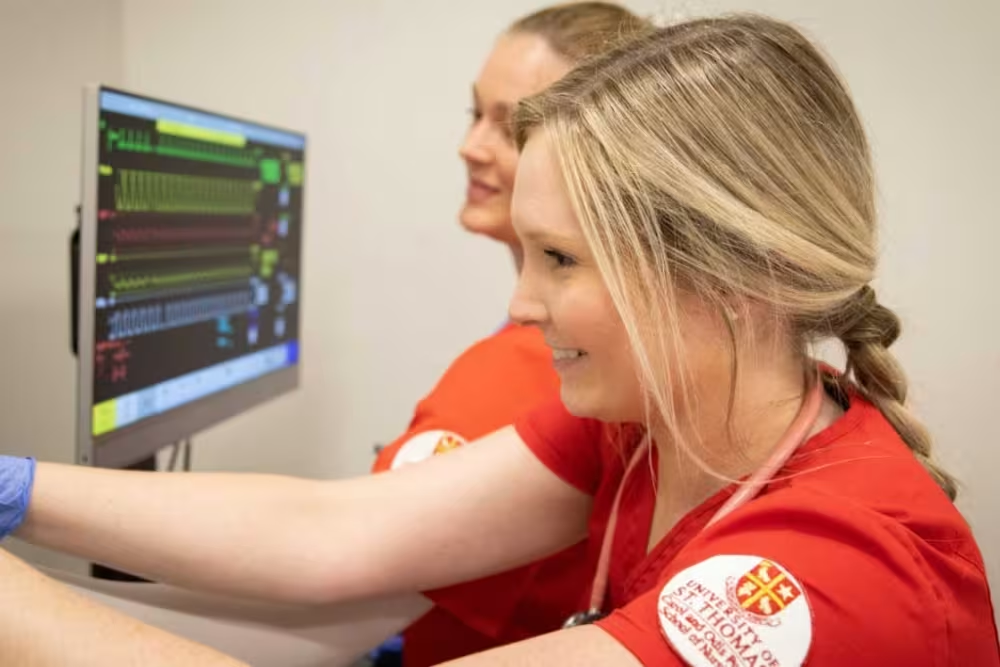
What do you need to get started in nursing school? Fulfilling the prerequisites is an essential step in getting ready.
How to Study for Nursing School Effectively
One of the best ways to study for nursing school is to do it consistently every day. Avoid marathon cramming sessions. Instead, schedule regular blocks for studying both nursing school materials and the NCLEX-RN licensure exam.
You can also use nursing mnemonics to remember information. They provide a creative way to digest the material.
Here’s a quick look at some common nursing mnemonics:
- Diabetes: Several nursing mnemonics can help you quickly assess a diabetic patient. Hot and dry = sugar high. Cold and clammy = need some candy.
- HELLP: HELLP syndrome is a severe, life-threatening complication of pregnancy. HELLP is an acronym for: Hemolysis, Elevated Liver enzymes, and Low Platelet count.
- MACHINE: This mnemonic can help you remember how to diagnose hyperkalemia. The acronym reminds you to look for: Medications, Acidosis, Cellular destruction, Hypoaldosteronism, Intake, Nephrons, and Excretion.
- White on Right, Smoke Over Fire: Not all nursing mnemonics are acronyms. This one helps you remember the correct placement for EKG leads. The white one goes on the right, the smoke (black lead) goes over the fire (red lead).
Time Management and Organization Strategies for Nursing Students
Along with learning how to study for nursing school, staying organized and maintaining good time management are essential. Use a planner to mark important dates and deadlines. Set alarms or reminders on your phone to keep track of assignment deadlines and test dates.
Other tips include:
- Begin working on major projects and assignments as soon as you receive them. Doing a little each day will be more manageable than trying to get it all done in one session.
- Keep all your printed materials organized so you don’t waste time looking for items.
- Make good use of spare minutes. Spend a few minutes reviewing the material before each lab.
- Try reverse scheduling to find extra time for studying. For a few days, keep a logbook of everything you do and when you do it. Then, look for ways to reduce unnecessary activities, such as scrolling on social media, to find more time for your schoolwork.

Clinical, Exam, and Skills Lab Tips That Make a Difference
ABSN coursework is just one of the main components of nursing school. You may also benefit from nursing school tips for your clinical rotations and simulation labs. Note: One important tip is to rely on your cohort.
There are several advantages to forming connections with cohort members:
- Cohort friendships can turn into study groups.
- They can empathize with the sacrifices needed for the program.
- Your peers understand the pressure of meeting deadlines and balancing schoolwork.
You could also study for the NCLEX-RN with peers in your cohort. This is not a test you can cram for; you must make a study schedule in advance and stick to it. Plan for at least one to two months of targeted studying for the test after graduation, along with regular study sessions throughout nursing school.
For the best clinical experience, it’s important to arrive early for each shift, remember all your nursing supplies, maintain a professional and positive attitude, and be receptive to feedback. Clinical placements are also an excellent time to explore your specialization options. You’ll experience different healthcare settings and work with established healthcare professionals. Use any spare time to talk to them about what they like and dislike about their own chosen specialties.
You don’t need to choose a specialty right away, but before you decide, review all your options. UST’s clinicals will cover:
- Adult health
- Community health
- Mental health
- Obstetrics
- Pediatrics
Managing Stress, Burnout, and Workload in Nursing School
Taking time for yourself helps prevent burnout. Make sure you’re eating well, getting enough sleep, and managing your stress.
You can manage stress by taking outdoor walks, regular exercise, attending Mass or going to Adoration, keeping a journal, planning time with family, and spending time on hobbies.
Additionally, there are several self-care resources you can turn to as a nursing student:
- Healthy Nurse Healthy Nation
- Practicing Self-Care for Nurses: A Nursing Program Initiative
- Self-Care Tip Sheet for Nurses
- The Self-Care Wheel: Wellness Worksheets, Activities and PDF

Habits That Help Nursing Students Succeed Long-Term
Use your time as a student to reflect upon your post-degree plans. You can speak with your instructors about specialization pathways and consider which of them appeals to you the most.
Your time in the program and everything that comes after will be more manageable if you have a solid support system. This system can include your friends, family, professors, and cohort. Try to stay in touch with your peers after graduation to maintain mutual support.
Communicate with your instructors frequently to ensure that you are meeting expectations. You'll get to know them better this way, making it easier to approach them for assistance when you need it. Moreover, after getting to know you, a professor may serve as a reference after graduation and might even provide a connection to your first nursing job.
Discover the top nursing school resources that can help you succeed.

Get Started Today at UST
At the University of St. Thomas, you can learn more nursing school tips from your peers in our close-knit cohorts, and our admissions advisors will walk you through how to prepare for nursing school and answer any lingering questions. Once enrolled, you’ll enjoy personalized guidance from your Academic Success Coach as you earn your nursing degree in as few as 12 months.
Contact an admissions advisor today to get started.