
Why is networking important? Networking in nursing school is crucial for gaining career guidance, mentorship, mental support, and potential job leads. As a professional nurse, a nursing network remains important because it can help you explore career advancement and professional development opportunities.

Networking in nursing school and beyond is about more than helping your job search after graduation. It’s an essential strategy to promote professional well-being at every stage of your career.
At the University of St. Thomas (UST), we encourage our students to start building a network from the start. University of St. Thomas’ Accelerated Bachelor of Science in Nursing (ABSN) program, with three locations in Houston, offers plenty of opportunities to make meaningful contacts. From forming close relationships with other members of your nursing cohort to working alongside experienced registered nurses (RNs) during clinical rotations, you’ll be able to expand your network as you work through the program.

Thinking about choosing a nursing school in Houston? Learn why it could be the right move for you.
While you’re getting started with the nursing curriculum, take some time to reflect on questions such as, “Why is networking important for nurses?” and “How can I start building a network while still in school?” Take a look at some actionable strategies for growing your network as a student and, later, as a professional nurse.
Why Is Networking Important in Nursing Careers?
Even after you’ve landed your first job, possibly with the help of your network, actively building and maintaining a nursing network can support your career. If you’d like to switch to a new job, for example, your network may give you a heads-up about opportunities that aren’t yet advertised on job boards.
Other reasons why networking is important for RNs include:
- Mentorship: Networking can open the door to mentorship opportunities. During your early years as an RN, you might find a mentor among your professional contacts. Later, as you gain experience, you might feel capable of stepping in as a mentor for a less experienced nurse in your network.
- Career advancement: If you’re thinking about returning to school to advance your career, you can tap into your network for guidance. Some of your contacts may be able to shed light on the graduate nursing programs they attended. You might also gain insight into different career possibilities you might pursue.
- Mental support: You’ll likely feel closer to some of your contacts than others, perhaps on a personal level. If so, you might turn to them for mental support when you experience professional stress. Doing so may help prevent burnout.
How to Build a Professional Network in Nursing
There are plenty of ways to build a nursing network as an RN. It can start with getting to know the other nurses who work in your unit and throughout your healthcare facility. Maintain a professional yet friendly relationship and make an effort to keep in touch as people come and go. You might even find a nurse mentor in your facility.
Other ways to build a strong network in nursing settings include attending professional conferences, workshops, and similar events whenever possible. In-person events are preferable for developing strong connections with others. Similarly, look for in-person continuing education classes if possible. Join professional organizations, such as the American Nurses Association (ANA) and organizations for your nursing specialty.

Understand the importance of diversity in nursing.
Tips for Maintaining and Growing Your Professional Network
As you progress in your career, it’s a good idea to look for opportunities to continually expand your network and nurture your existing contacts. Attending professional conferences and other in-person events can provide many opportunities to catch up with acquaintances and meet new ones.
Another strategy is to maintain an active and professional social media presence. Focus not only on posting your own original content, but also on exploring the posts uploaded by members of your network and leaving insightful comments. This can help strengthen your existing relationships while also opening the door to new ones. Be sure that all content you post to social media, including comments on others’ posts, follows HIPAA requirements and the social media standards of your healthcare employer.
Building Your Nursing Network as a Student
Developing a robust professional network is as important for nursing students as it is for working nurses, if not more so. One of the most significant reasons networking is important in school is to increase the likelihood of landing a nursing job quickly after graduating and passing the NCLEX-RN. For example, by putting forth effort to cultivate relationships with working professionals during clinical rotations, it’s possible to receive a job offer from the healthcare facility before graduation.
“We have three sites, so we are able to have students in more areas…to go to clinicals, have a presence, and get hired in the outer communities, as well. And we have clinical partners who tell us that they really, really like hiring our [ABSN] students,” says Dr. Claudine Dufrene, executive dean of UST’s ABSN program.
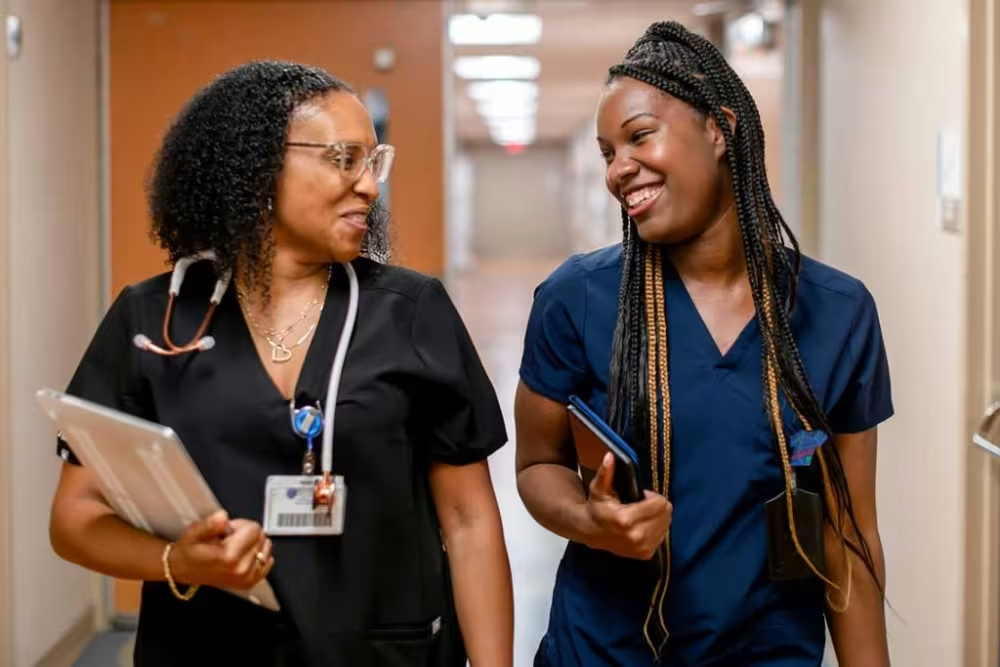
Other reasons why networking in nursing school is crucial include the following:
- Emotional support: Nursing school can be challenging and stressful. By building relationships with your fellow cohort members, you may feel that you can turn to them when you need emotional support. Likewise, you should be there to offer a sympathetic ear when they need support.
- Career insights: Not every nursing student knows exactly which nursing specialty is right for them. Even those who are confident in their choice of specialty might reconsider when they learn about other possibilities. Nursing students can turn to the contacts in their network for career guidance and real-world insights.
There are plenty of ways to go about building a professional network as a nursing student. Start with the following:
- Get to know your instructors. Make a good impression as an attentive, thoughtful student who isn’t afraid to ask questions when needed. Attend office hours when you need extra help and try to develop a good working relationship with your instructors.
- Nurture relationships with members of your cohort. Study groups are great opportunities to get to know your peers, as long as the focus remains on studying, not socializing. If you feel a stronger connection to one or two of your classmates, consider inviting them out for a study break at a coffee shop.
- Be memorable for the right reasons during clinicals. Networking during clinicals involves more than just meeting working nurses and supervisors. You want to leave a good impression. Arrive early for each shift, maintain a positive attitude throughout, receive feedback with an open mind, actively solicit feedback and ask questions, and follow directions carefully.
Above all, remember that networking is more than just trying to gain an advantage in your career. It’s about building and nurturing relationships, which is at the heart of our Catholic mission. Also, those relationships are a two-way street. Just as you want your contacts to be there for you when you need them, you’ll need to return the favor.
Discover financial aid options for nursing school students.

Grow Your Professional Network at the University of St. Thomas
The University of St. Thomas invites future nurses to learn more about our accelerated nursing
program and how it allows students to earn a quality BSN faster. While many ABSN programs require 16 months to graduate, at UST, it’s possible to earn a BSN in as few as 12 months after completing the necessary prerequisites.
With three ABSN enrollment locations in and near Houston and the area’s top hospitals, UST is an ideal place to begin building your professional network and launch a career in nursing. Here, you’ll benefit from a highly supportive learning community, boosted by small class sizes and Academic Success Coaches.
During the admission process, you’ll work one-on-one with a dedicated admissions advisor to guide you through each step. Contact our admissions team today to get started.