A sports medicine nurse works with athletes to prevent, diagnose, treat, and rehabilitate sports-related injuries. Sports med nurses may also help athletes manage chronic conditions. Becoming a sports medicine nurse involves earning a nursing degree and obtaining licensure by passing the NCLEX-RN.
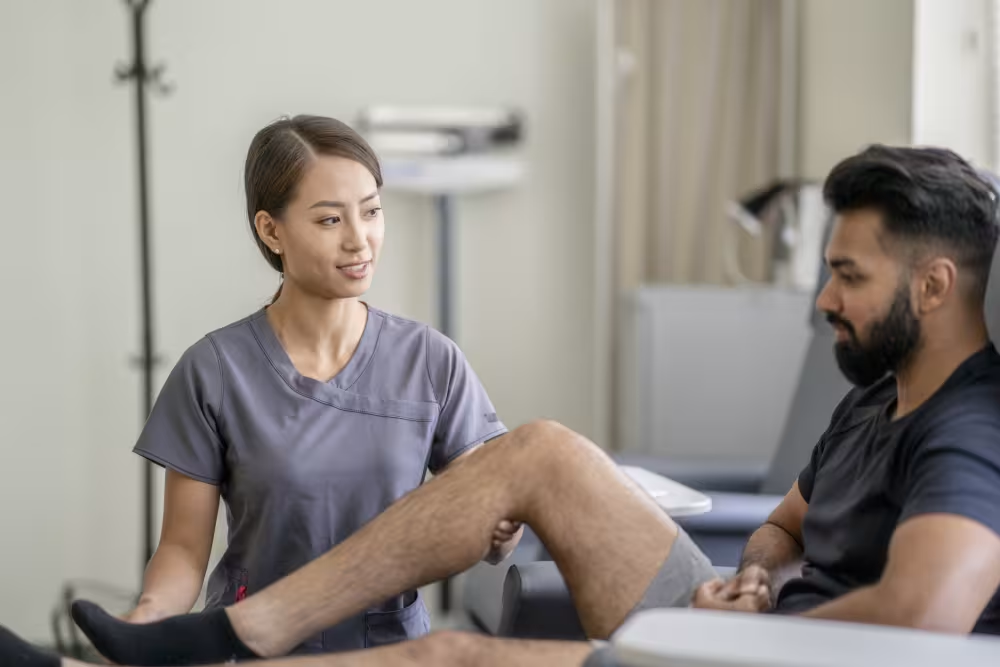
A sports medicine nurse prevents and treats injuries and illnesses related to sports and exercise activities. Working with professional and amateur athletes alike, sports med nurses can be registered nurses (RNs) or nurse practitioners (NPs). This nursing specialty is a good fit for aspiring nurses who are passionate about physical fitness and sports, and interested in managing orthopedic injuries.
The University of St. Thomas in Houston’s (UST) Accelerated Bachelor of Science in Nursing (ABSN) program can help you pursue a career in nursing faster by leveraging your prior non-nursing education toward earning a BSN in as few as 12 months. Our comprehensive curriculum, which includes immersive, hands-on learning experiences, prepares our graduates to pursue any nursing specialty, such as sports medicine nursing.
While you’re thinking about your future nursing career, take a closer look at what sports medicine RNs do and where they work. Explore the steps in the career pathway and learn about specialty certifications.
What Is a Sports Medicine Nurse?
A sports medicine nurse works with athletes and exercise enthusiasts, treating injuries and guiding patients through physical rehabilitation. They also focus on prevention, such as teaching athletes safe training techniques and proper warm-up.
These nurses often handle orthopedic injuries, including acute sports injuries (such as fractures and ankle sprains) and repetitive strain injuries (such as tendonitis and stress fractures). Sports medicine RNs may also work with patients who have concussions. Other conditions these RNs may manage include:
- Cardiovascular conditions, such as myocarditis
- Dehydration
- Exercise-induced asthma
- Heat-related illnesses
What Does a Sports Medicine Registered Nurse Do?
A sports medicine RN works with athletes to reduce their risk of injury and treats injuries that do occur. During any given shift, their tasks may include:
- Evaluation: Determining potential diagnoses based on symptoms, observations, and assessments.
- Education: Teaching athletes about their injuries, treatments, and rehab plans, as well as helping them prevent future injuries.
- Emergency care: Stabilizing seriously injured athletes during practices and games.
- Health monitoring: Conducting physical check-ups.
- Injury prevention: Developing injury prevention programs, such as preseason conditioning programs.
- Triage: Assessing injured athletes to determine the severity of their injury.

Discover why it’s never too late to become a nurse.
Where Do Sports Med Nurses Work?
Sports med nurses can work in a variety of settings, including hospitals and outpatient clinics, as well as physical rehabilitation centers and orthopedic or sports medicine clinics. These RNs may also work in schools, including collegiate athletic programs.
Professional sports organizations, such as those in the National Football League (NFL) and Major League Baseball (MLB), may hire sports medicine nurses. These nurses typically work in team facilities and may also travel with the team for away games.
Sports Medicine Nurse vs. Athletic Trainer
Like sports medicine nurses, athletic trainers specialize in the prevention, treatment, and rehabilitation of sports injuries. They work with athletes, including professional and school athletes.
The main difference between a sports med RN and an athletic trainer is that a nurse is educated and trained to provide holistic, comprehensive nursing care, whereas an athletic trainer provides stabilization and rehabilitation for musculoskeletal injuries. Nurses can manage complex cases with co-morbidities, whereas athletic trainers typically manage straightforward mobility issues. Another difference is that nurses have a strong understanding of pharmacology and medication administration, whereas athletic trainers generally do not.
How to Become a Sports Medicine Nurse
If you’d like to become a sports medicine registered nurse, follow these steps:
Apply to Nursing School
An admissions advisor at UST can review your eligibility for our ABSN program and help you put together an application plan. You’ll need to take an admissions exam, such as the Test of Essential Academic Skills (TEAS) or the Health Education Systems Incorporated (HESI) exam. You may also need to complete prerequisite courses if your prior education doesn’t fulfill these requirements.
If accepted to the program, you’ll need to complete additional clinical compliance requirements. These include being up to date on your vaccinations and obtaining cardiopulmonary resuscitation (CPR) certification.
Earn a BSN
Nursing education teaches both theory and application. At UST, you’ll take online courses in nursing theories and concepts. In skills and simulation labs, you’ll apply what you’ve learned and acquire key nursing skills. During clinical rotations, you’ll practice delivering patient care in a real-world environment. Combining these curriculum elements, UST students can graduate in as few as 12 months.
Obtain RN Licensure
After graduating with a BSN, you can choose a test date for the NCLEX-RN. Most graduates take the licensure exam within a couple of months of graduation so that the material is fresh in their minds.
After passing the test and obtaining licensure, you can start looking for your first sports medicine nursing job. If you don’t find a sports medicine position right away, look for a related role at an orthopedic clinic or physical rehabilitation center.
Learn how to get into nursing school in just six steps.

Why an ABSN Is a Smart Path to Sports Medicine Nursing
If you already have a completed non-nursing degree or at least 60 college credits, then an ABSN can be an ideal path to sports medicine nursing. At UST, you’ll be able to earn a BSN in as few as 12 months upon completion of any needed prerequisites. It’s a faster path toward obtaining a degree because it leverages your existing education.
Graduates can later pursue graduate education because an ABSN confers a Bachelor of Science in Nursing. With a master’s degree, board certification, and advanced practice nurse licensure, it’s possible to become a sports medicine nurse practitioner.
Certifications and Skills That Support a Career in Sports Medicine Nursing
Sports medicine RNs can benefit from a diverse clinical skill set that includes injury assessment, triage, concussion management, and trauma care. They also need in-depth knowledge of orthopedic conditions and the physical rehabilitation process.
Important soft skills for this nursing specialty include:
- Adaptability
- Communication
- Decision-making
- Patient education
- Teamwork
A positive mindset and the ability to encourage throughout the physical rehab process are also helpful.
After gaining some experience in this nursing specialty, you might decide to pursue professional certifications. These may increase your job opportunities by demonstrating your expertise. The Certified Orthopedic Nurse (ONC), Certified Rehabilitation Registered Nurse (CRRN), and Certified Sports Medicine Registered Nurse (SMRN) certifications are a few possibilities to consider.
Sports Medicine Nurse Salary and Job Outlook
A nurse’s salary can vary based on factors such as employer, geographic region, certifications, and years of experience in sports med nursing. The U.S. Bureau of Labor Statistics (BLS) doesn’t track salary data for this nursing specialty, but it does provide salary information for all RNs. According to the BLS, the median annual salary for RNs was $97,550 as of May 2025.
The BLS also projects a 6% job growth rate for RNs from 2025 to 2035, faster than the average across all professions. At this rate, 194,700 jobs are expected to be added over the decade.
Is Sports Medicine Nursing Right for You?
Sports medicine nursing may be a good specialty for RNs interested in working with patients who:
- Are primarily dealing with acute injuries and repetitive strain injuries
- Have a strong motivation to follow their rehabilitation plan
This nursing specialty can also be a good choice for RNs who enjoy working in a collaborative team and who have an academic interest in exercise physiology and orthopedics. In sports med nursing, you may pursue work across diverse settings, including professional sports teams, which can be appealing to nurses who enjoy sports.

Work Toward Your Future in Nursing at UST
You can transition to a career in sports medicine nursing faster at the University of St. Thomas in Houston, Texas. If you have a completed non-nursing bachelor’s degree or at least 60 college credits, you may be eligible to earn your BSN in as few as 12 months with UST’s ABSN program. Throughout the program, you’ll be supported by our dedicated faculty and Academic Success Coaches. With small class sizes and robust student support, UST is committed to your success.
Request more information from an admissions advisor today to learn more about our ABSN program.